The Ultimate Guide for Beginner Drivers: Tips, Challenges, and Best Practices
Ending up being a skilled driver is an essential skill that comes with substantial duties. For beginner drivers, the journey from acquiring their driver's license to ending up being an experienced road user can be both thrilling and difficult. This thorough guide will check out important tips, common difficulties, and best practices for newbie chauffeurs.
Understanding the Importance of Driving
Driving plays a critical function in life. It uses self-reliance and the capability to travel longer ranges effectively. Nevertheless, it also demands attention, obligation, and a comprehensive understanding of traffic laws and automobile operation. For beginner motorists, mastering these elements can lead to a more secure and more satisfying driving experience.
Tabulation
- Preparing for the Road
- Necessary Skills Every Beginner Driver Should Know
- Typical Challenges Faced by Beginner Drivers
- Tips for Safe Driving
- Often Asked Questions (FAQs)
1. Getting ready for the Road
Preparation is essential for any beginner driver. This involves understanding both theoretical and practical elements of driving.
1.1 Getting Your Driver's License
Before striking the road, people should get a driver's license. The procedure usually involves:
- Completing a driver's education course
- Passing a composed understanding test
- Completing a defined number of hours of supervised driving
- Passing a road test
1.2 Familiarizing Yourself with the Vehicle
Understanding the automobile you will be driving is important. New drivers ought to become acquainted with:
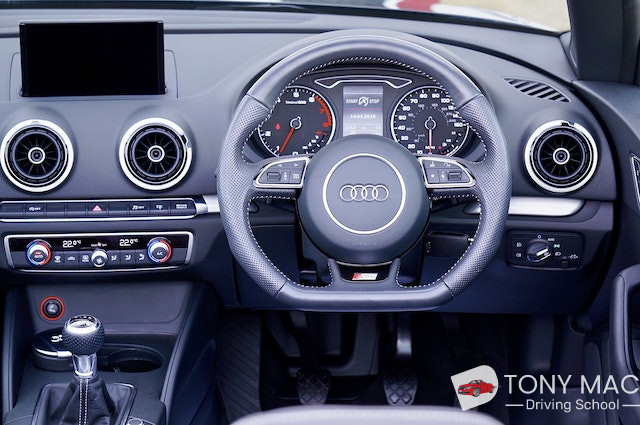
- The dashboard layout
- Basic controls (steering, pedals, signs)
- Safety functions (seat belts, air bags)
- The place of vital items like the spare tire and emergency situation kit
2. Essential Skills Every Beginner Driver Should Know
As motorists, certain skills need to be mastered to guarantee safety and confidence on the road. Beginner chauffeurs need to focus on:
2.1 Basic Driving Techniques
- Starting and Stopping: Learning the correct way to begin the lorry and pertain to a complete stop.
- Steering Control: Understanding how to steer efficiently and make accurate turns.
- Parking Skills: Gaining confidence in parallel parking, angle parking, and parking in numerous circumstances.
2.2 Defensive Driving
- Awareness of Surroundings: Constantly scanning the environment for potential risks.
- Keeping Distance: Keeping safe ranges from other vehicles to permit for stopping time.
- Forecasting Others' Actions: Anticipating the habits of other drivers and pedestrians.
2.3 Navigational Skills
- Reading Maps and GPS: Being able to browse utilizing standard maps and modern-day innovation.
- Comprehending Traffic Signs: Familiarity with road indications, signals, and markings to ensure compliance with traffic laws.
| Capability | Description |
|---|---|
| Standard Driving Techniques | Beginning, stopping, steering, and parking |
| Defensive Driving | Awareness, maintaining distance, predicting actions |
| Navigational Skills | Utilizing maps and GPS, comprehending traffic indications |
3. Common Challenges Faced by Beginner Drivers
Even with preparation and practice, beginner motorists frequently face numerous obstacles that can impede their learning procedure.
3.1 Overcoming Fear and Anxiety
Starting to drive can be frustrating. Numerous brand-new drivers experience stress and anxiety or worry, particularly in high-traffic scenarios.
3.2 Learning Road Rules
With lots of rules to bear in mind, it can be hard for newbies to keep an eye on everything, particularly when under pressure.
3.3 Navigating Diverse Driving Conditions
As beginners gain experience, they will require to learn how to handle different weather condition conditions (rain, snow, fog) and road types.
4. Tips for Safe Driving
For rookie chauffeurs, embracing safe driving habits is important. Here are some best practices:
Avoid Distractions:
- Do not use your phone or other devices while driving.
- Limitation in-car conversations that may take your focus far from the road.
Abide By Speed Limits:
- Always obey posted speed limitations.
- Change speed according to road and climate condition.
Usage Turn Signals:
- Always indicate your intent to turn or change lanes.
- This notifies other drivers and promotes more secure driving conditions.
Stay Calm and Patient:
- Keep your emotions in check to prevent aggressive driving.
- If you make a mistake, remain calm and learn from it.
4.1 Important Safety Features to Utilize
- Anti-lock Braking Systems (ABS)
- Traction Control
- Crumple Zones and Airbags
5. Regularly Asked Questions (FAQs)
Q1: How long does it take to end up being a skilled driver?A1: The timeline varies, but with consistent practice and experience, many learners become sufficiently proficient within 6 to 12 months. Q2: What should I do if I am involved in an accident?A2:
Always make sure safety first, call emergency services if required, document the scene, and exchange information with the other celebration. Notify Qualified Driving Instructor without delay. Q3: Can I take driving lessons if I have my learner's permit?A3: Yes, it is extremely recommended to take structured driving lessons with a qualified instructor while holding a learner's license. Q4: What are the benefits of defensive driving courses?A4: Defensive driving courses enhance safety awareness, reduction mishap threat, and may provide discount rates
on insurance premiums. Q5: What need to I do if I feel anxious while driving?A5: Practice driving in low-stress environments, consider taking driving lessons, and speak with somebody who can offer support or
advice on how to handle stress and anxiety. Driving is a valuable skill
that enhances individual mobility and independence. For beginner drivers, getting knowledge, developing necessary skills, and getting rid of obstacles are crucial actions
in their journey towards ending up being positive and safe drivers. By following this guide and accepting a favorable knowing mindset, novice motorists can pave the way for an effective driving future.